Some deliveries may take a little longer than usual due to regional shipping conditions.

DOWNLOAD THE APP


Customer Services
Copyright © 2025 Desertcart Holdings Limited
DOWNLOAD THE APP
Full description not available


U**L
Extracted immense amounts of unexpected information! Clear explanations for both intuitive ad counter-intuitive hidden drives.
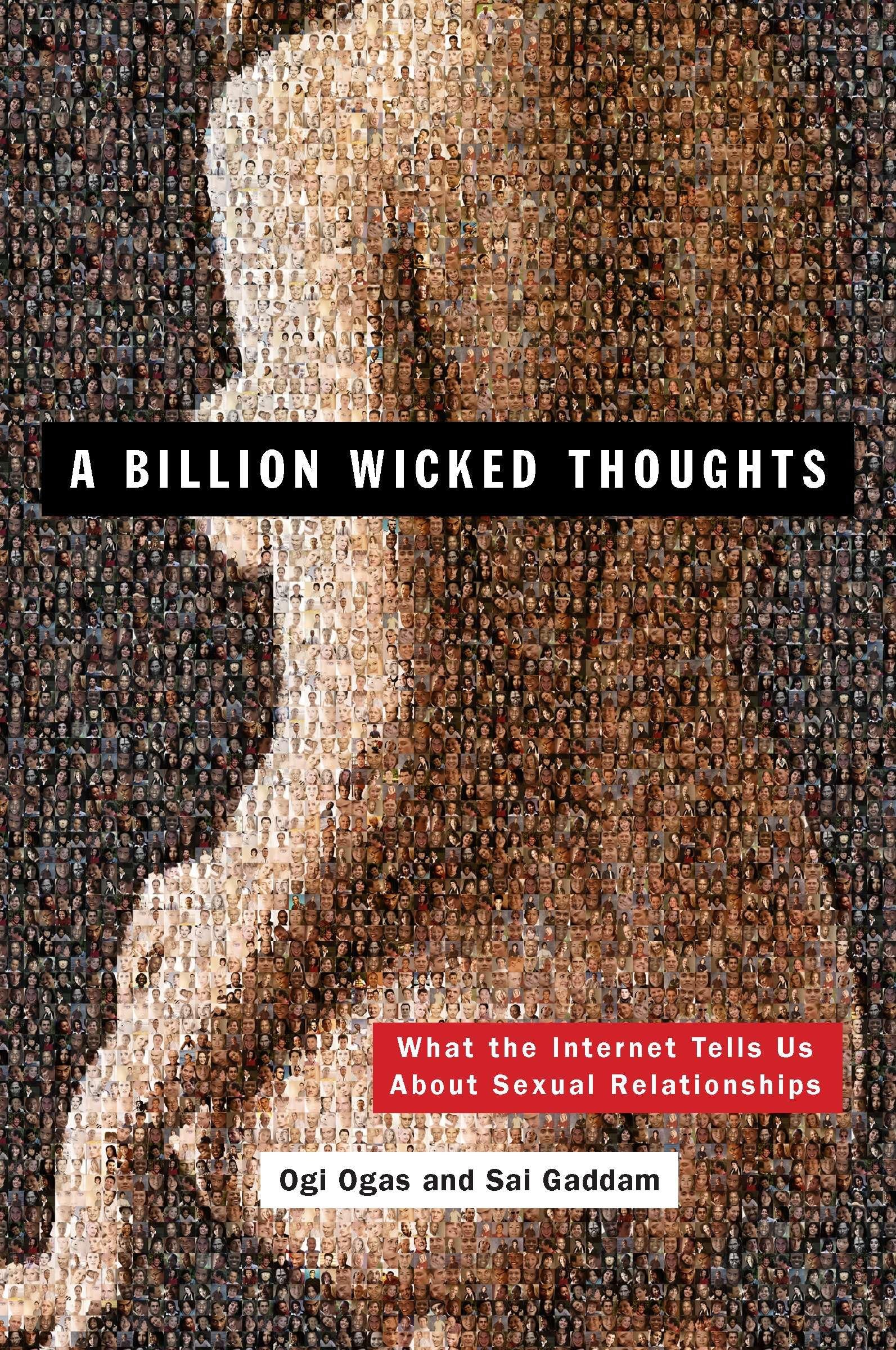
This book demonstrates one of the strangest, yet most powerful applications of applying big data to search platforms. Instead of compiling an incoherent collection of facts and analytics on sex-related searches, the author ties information of his investigation into a larger evolutionary psychology framework. I read this entire book in only a few sittings because it talks about sub-topics about sexuality that most people don't discuss, let alone research or dive into understanding the (often counter-intuitive or only retrospectively obvious) explanations for why they arise. Most facts that I uncovered were fascinating and novel to me due to the rarity of this data being analyzed in popular statistics.It's incredible how much about human nature can be inferred through a few keystrokes and reading patterns, and long as you aggregate information into sizable data sets. You'll learn that women have a higher tendency to ruminate over emotional situations and can do so with speed. Women prefer men that are in professions associated with status and confidence e.g. romantic novels seldom mention blue-collar workers. In Romance novels written in the 1970s and 1980s, the hero in the story would be sexually aggressive - the book tells us why women's sophisticated machinery to look for cues in partners like security don't alone absolve them of such fantasies due to complex interactions of different psychological adaptations and preferences.I learnt a whole lot more; the variety of information covering myriad nuances of desire can get overwhelming to digest. In societies such as the Yanomamo in the Amazon where the males that mate the most are those that have the highest number of kills & the Ilongots of the Philippines that present torn heads for courtship - women don't mind the violence as long as they themselves manage to capture the alpha's tender sensitive side. In the book, the same is inferred from internet searches by women who look for fantasies that are misogynistic on the surface but offer the same final consolation or expectation to those women.Countless phenomenon are observed that are not necessarily obvious, such as the popularity of courtship-cue rich romance novels that thrive because in terms of neural wiring, women's physical and psychological stimulation is disconnected, and the novels provide direct access to the latter. (Researched by Meridith Chivers).If you're already invested time into reading popular books on evolutionary psychology such as The Evolution of Desire: likely Strategies of Human Mating or any related course textbook, you'll find a good deal of repetition - but instead of boring you, the book will likely provide information to further convince you of the empirical backings of evolutionary narratives that you're normally accustomed to.
N**F
An incredible work on a sticky subject
It's rare to find a book that explains such a complex subject in such simple terms. A Billion Wicked Thoughts blasts through ignorance, confusion, and ambiguity on the matter of human sexuality, conveying ideas through bracing, hard data.The authors analyzed the web searches of over a hundred million internet users to find what interested them sexually. These searches reveal people's private fantasies in a totally open and unguarded fashion, and soon patters begin to emerge.Men prefer images, and are aroused on a mostly physical basis. Women prefer stories they need to think about, and must be aroused psychologically. The interests of gay men and straight men are, sexually speaking, almost identical, their only differences are gender preference, and, for gays, a general preference for submission.The authors also give a brief, engaging history of sex research, which has been contested since its very creation. More is known about distant galaxies than about human sexuality. They make a strong argument that their research, of millions of people, from all ages, cultures, demographics, and income classes, free from the inhibitions of a clinical setting or an in-person survey, is the most thorough research into its subject.Reading this book might be an incredible seismic shift in your worldview. The success of Twilight, in spite of its utter stupidity, is made perfectly clear. If the behavior of the opposite gender mystifies you, it might make sense now.The authors also have a column on the Psychology Today website, giving a digest view of some of the topics covered in the book. My one objection is to their frequent use of anecdotes, usually from comedians or anonymous sources. They have terabytes of data to draw their conclusions from, so the anecdotes are superfluous.Instead of what one sex columnist or social theorist wants to believe about sex, this book plainly tells you what the world objectively thinks about (and wants from) sex. For that, it's the only book on the subject you need ever read.
K**E
Methodologically sound? Perhaps not. But interesting? Oh, yeah!
I'm aware of the controversy surrounding this book as I had Dr. Ogi Ogas on my talk show to discuss this book, and believe me, I not only did my homework on this book but I read it page for page.I'm a self-prescribed sex geek with a background in research. I think what most people who have rated this book as a "1" fail to realize is the incredible difficulty in conducting sexual research of ANY kind. Is this book methodologically sound? No. But...you can find issue with any research. There are always confounding variables. We don't do research in vacuums.But what this book does do is attempt to analyze an untapped goldmine of information AND apply previous psychological and sociological research examples to expound on their findings. I lost myself in this book. There are so many interesting tidbits of information. Not to mention, the authors take research and make it relatable for readers of any level. It's clever, entertaining and informational.This is a must-read for any sex geek. And as intelligent beings, you can make your own decision as to the validity and extrapolations.
Trustpilot
2 weeks ago
4 days ago