
DOWNLOAD THE APP


Customer Services
Copyright © 2025 Desertcart Holdings Limited
DOWNLOAD THE APP

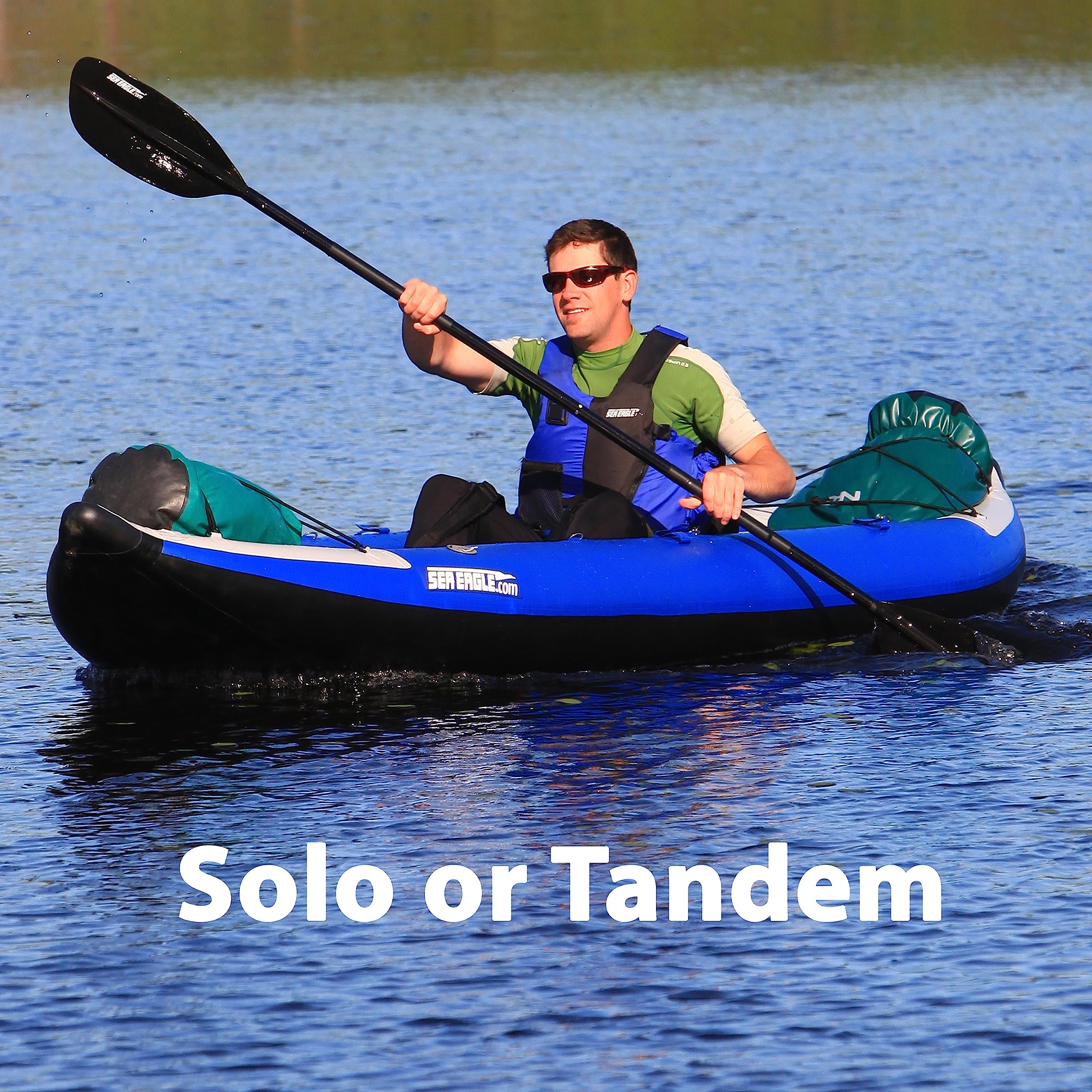

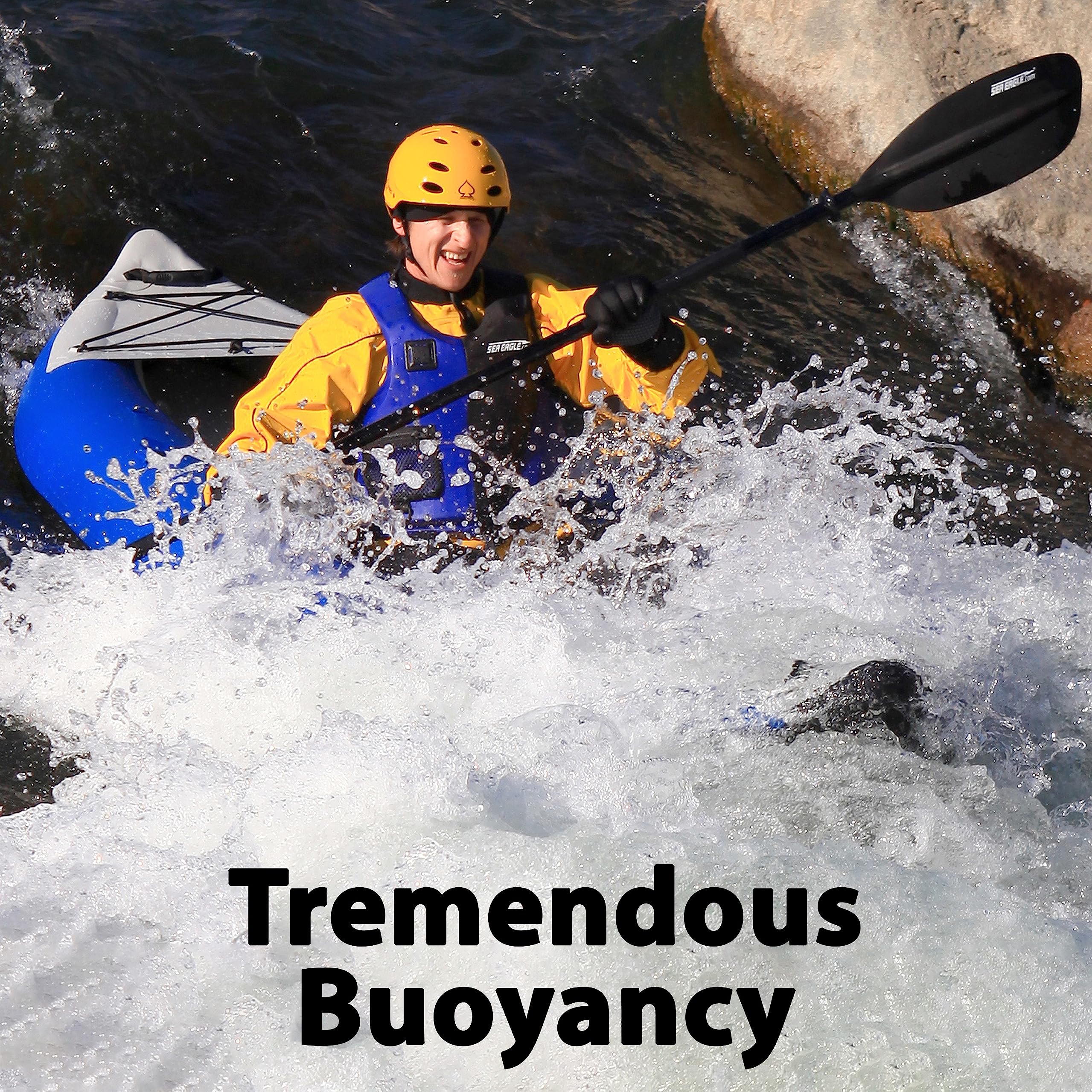

🚀 Paddle like a pro, explore like a legend.
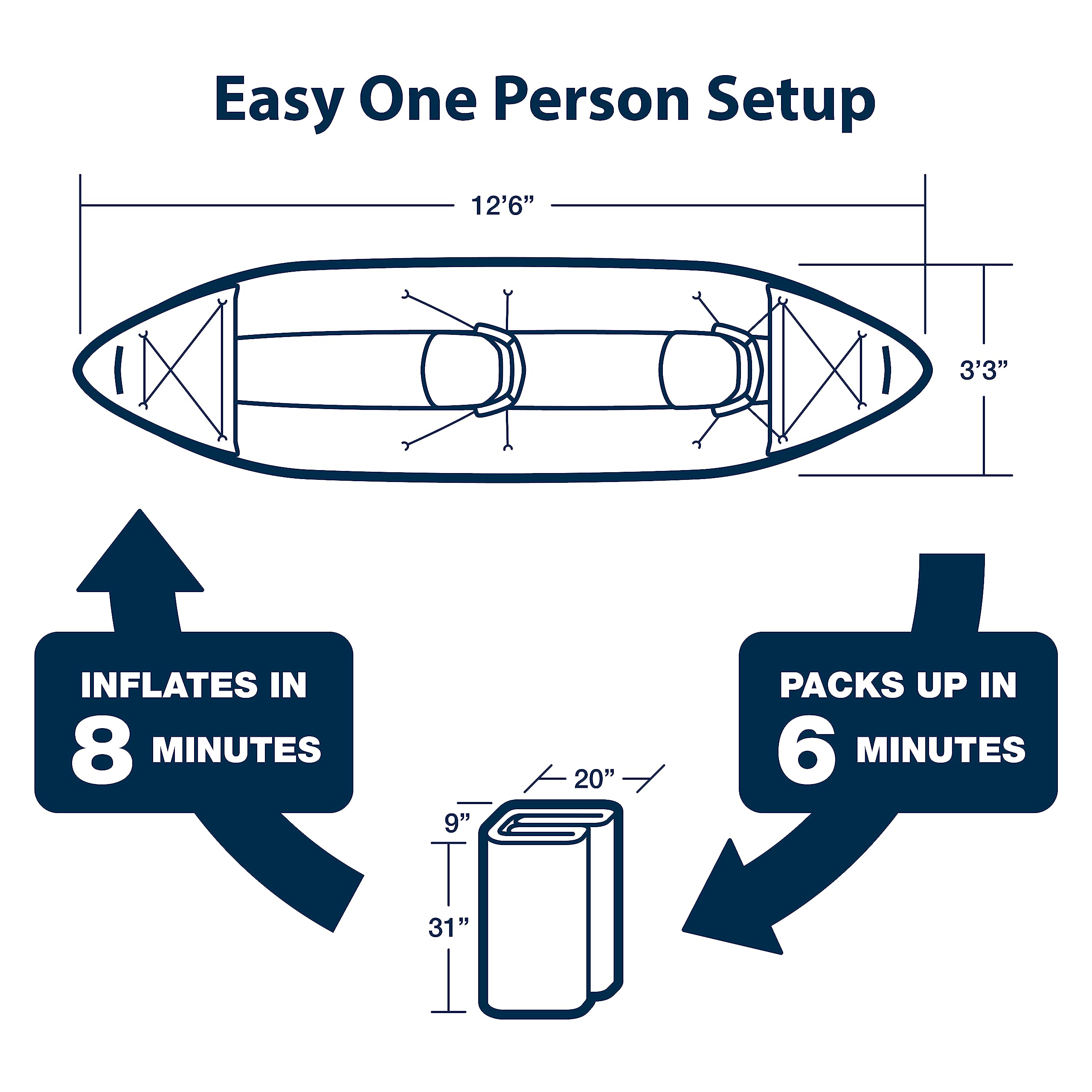
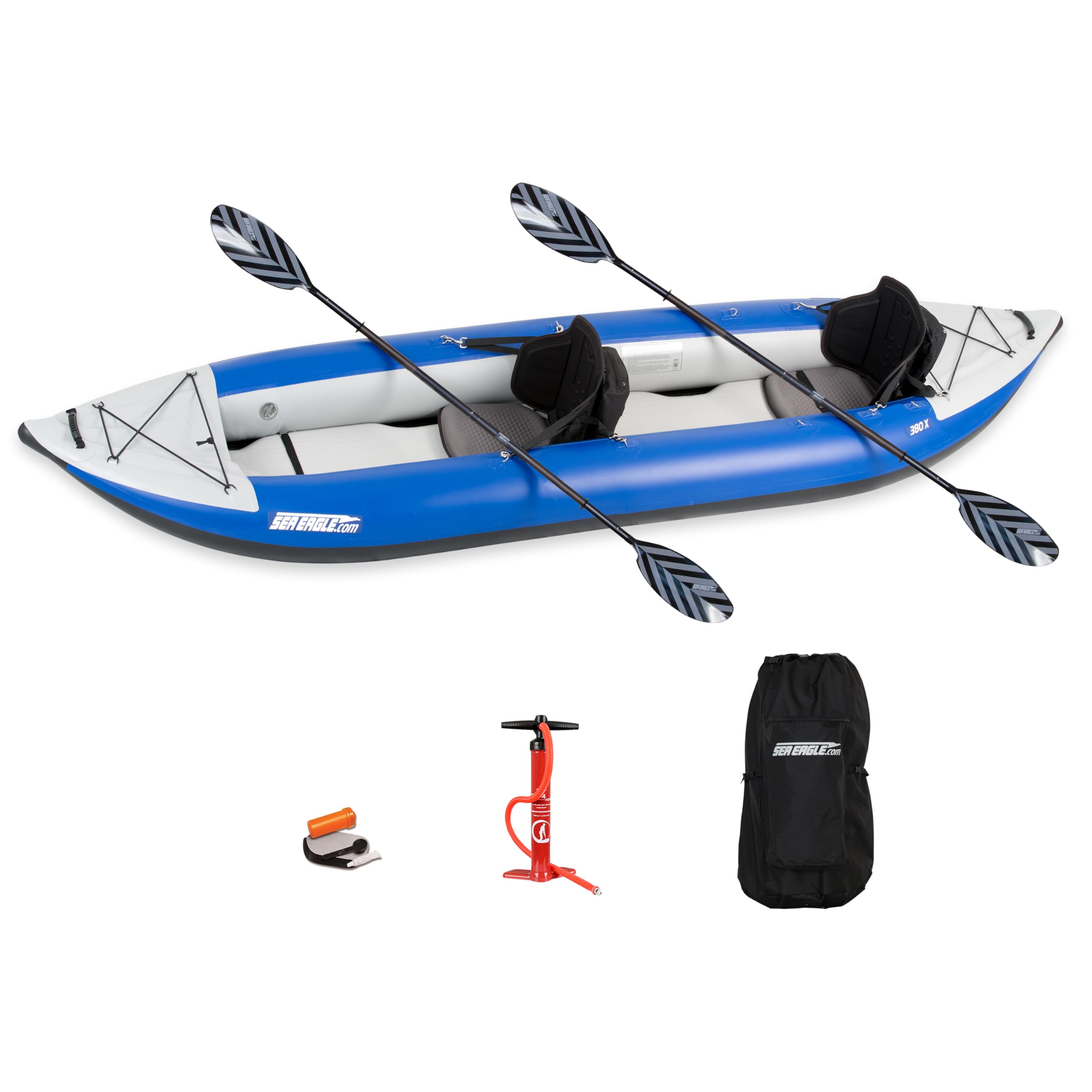
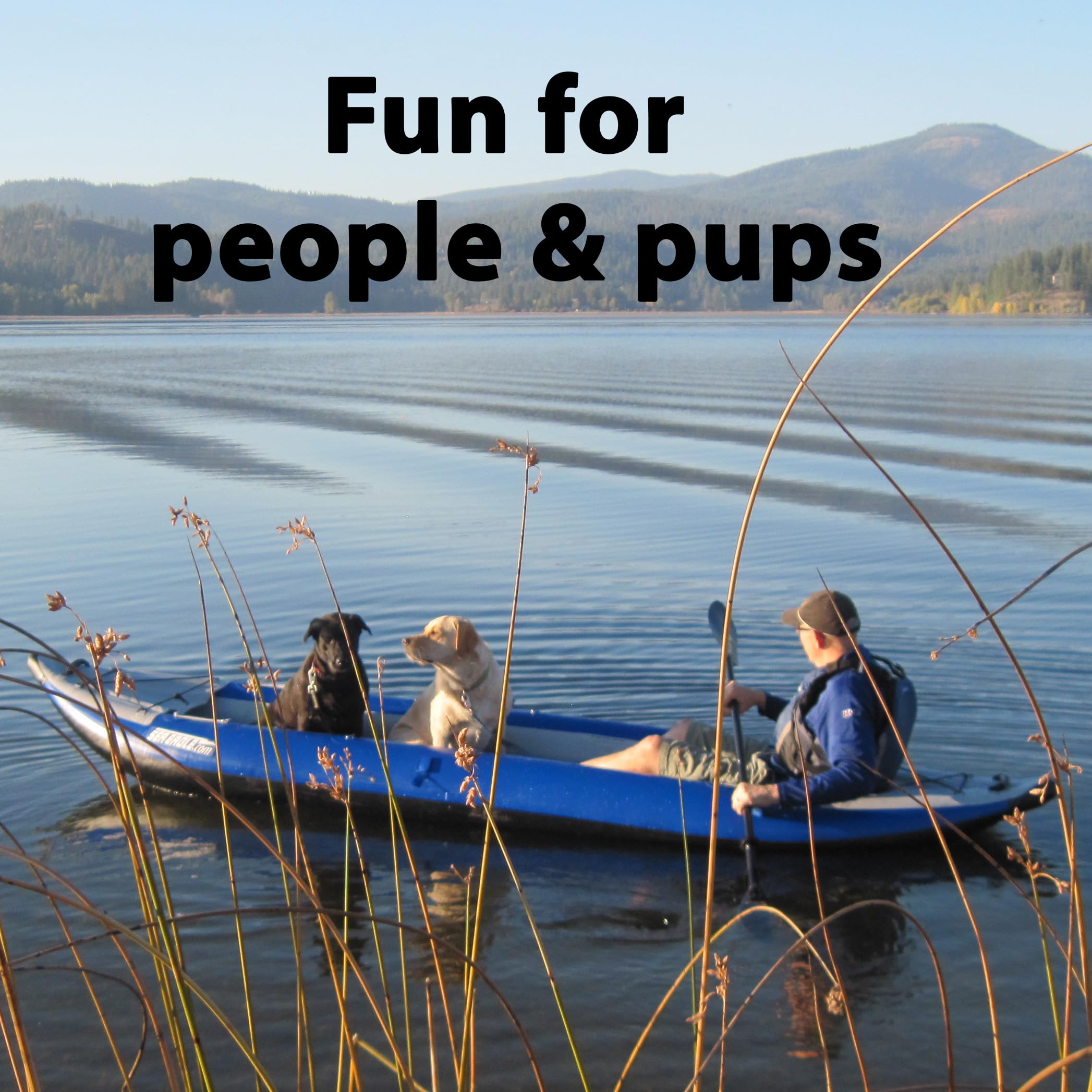
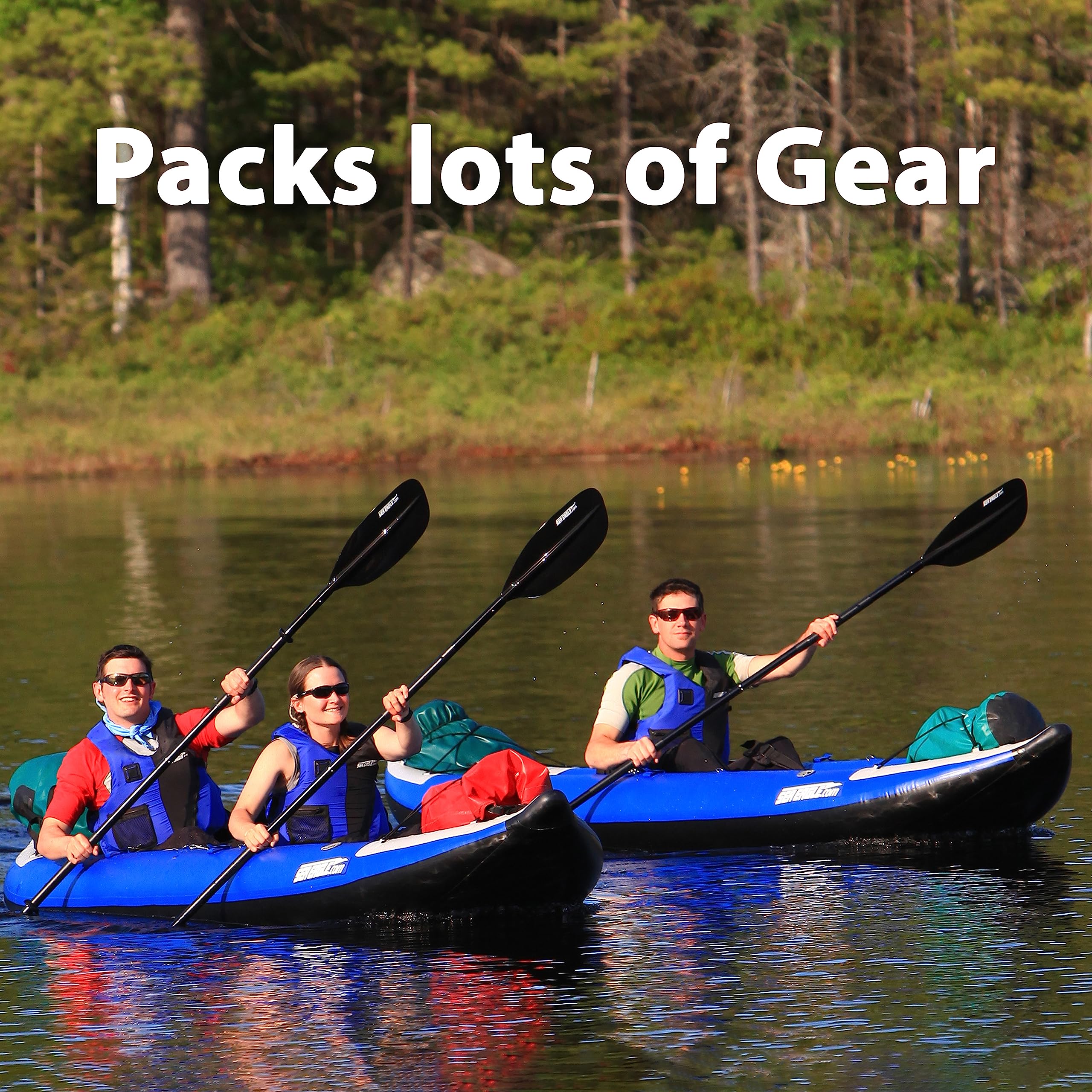
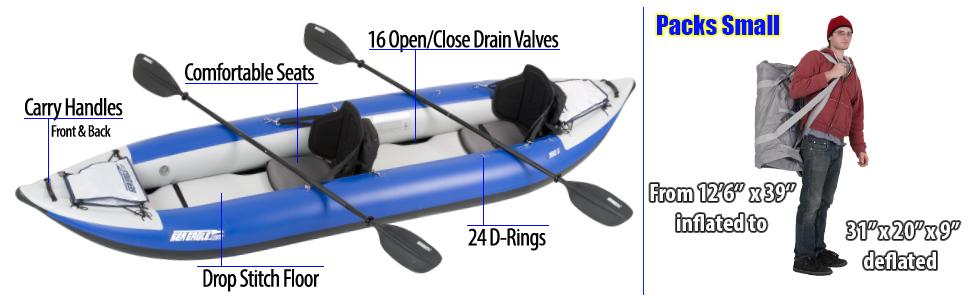
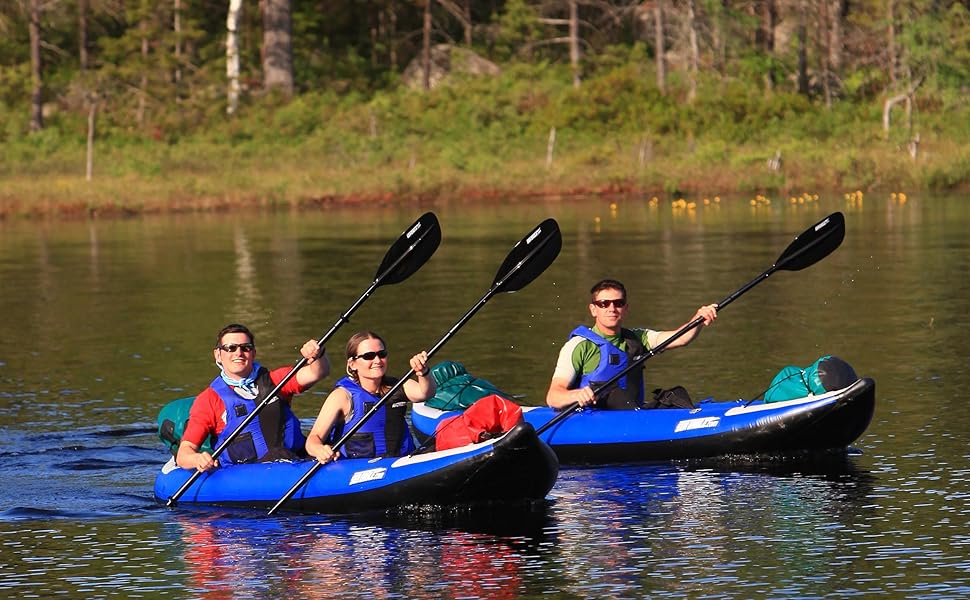
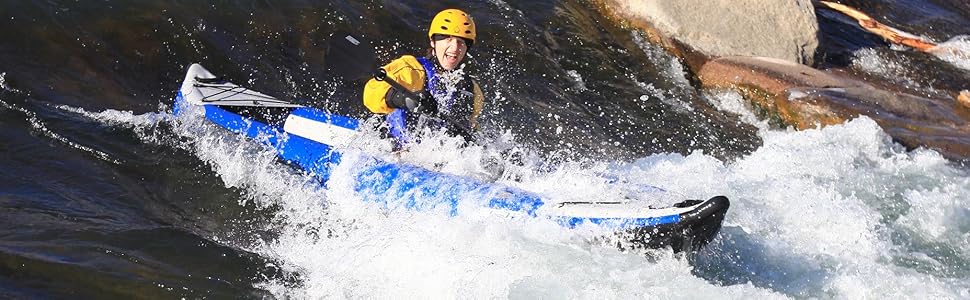
The Sea Eagle 380X 12'6" Explorer is a rugged, inflatable kayak designed for 2-3 adults plus gear, boasting a 750-pound capacity and rapid 8-minute inflation. Built with ultra-durable 1000-denier polyester fabric and equipped with self-bailing drains and a removable skeg, it excels in whitewater up to Class IV. The Pro Package includes premium accessories for a complete, ready-to-go kayaking experience.



| ASIN | B000SL0KB0 |
| Batteries Included? | No |
| Brand | Sea Eagle |
| Color | Blue |
| Construction | rubber |
| Customer Reviews | 4.8 4.8 out of 5 stars (74) |
| Date First Available | 8 August 2019 |
| Department | unisex-adult |
| Features | foldable, inflatable |
| Included Components | skeg |
| Is Discontinued By Manufacturer | No |
| Item model number | 380xPro |
| Length | 150 inches |
| Manufacturer | Sea Eagle Boats |
| Material Type | Plastic |
| Number of Pieces | 1 |
| Product Dimensions | 96.52 x 50.8 x 35.56 cm; 18.14 kg |
| Shape | as shown |
| Size | One Size |
| Sport | Kayaking |
| Style | 2 Person Pro |
| Weight | 76 Pounds |
| maximum weight capacity | 750 Pounds |
A**R
easy to inflate. Easy to paddle. Great kayak.
N**S
I purchased this for a summer boat to use when my friends go kayaking on muddy, dirty Rivers. It has performed admirably thus far. Seems extremely durable. I think you would have to try to damage it. Anything short of a knife probably won't do anything to it. A The skeg was extremely durable and was drug through the mud and gravel many times during its maiden voyage. Once inflated it is large and a bit too cumbersome for one person to easily deal with, I got many compliments on the features and stability of the craft . With the incredibly high weight limit and bulbous sides, getting in and out is easy as is standing up and moving around. I bought the electric inflator that they recommend and it made the whole process easy, I was ready to go just as quickly as the folks with hard shell kayaks were once we got to the water.
S**H
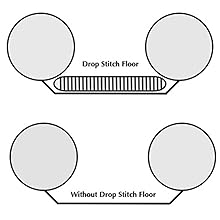
I purchased the 420x (bigger boat) in April of 2015, Let me start by saying Stacy and I are not avid paddlers, in fact, neither of us has ever sat in a kayak. I have been on several canoe trips and I hate to say it, I am a novice at best. The last trip I was on was about 30 years ago so I am sure time has not worked in my favor as an athlete. We had issues the boat would need to address due to our unique geography. We live, work and play in Alaska. We live on the Gastineau Channel. The water we would be kayaking in has an average temperature of 47 degrees. Today's forecast for the channel is a Southeast wind of 35kt and 7 foot seas, air temperature of 45 degrees and rain. The beaches here have razor clams, mussel beds and are rocky. The tides in this area travel at 2 to 3 Kt and the tidal changes are as big as 25 feet. Those are a lot of hazards. We basically looked for a boat that we didn’t have to learn to use, we are amateurs and I am too old to learn to roll the kayak if I flip it over. We want a stable boat because we don’t want to end up in the icy waters of the North Pacific. We are limited on space, our house sits on stilts so we have no storage room. The boat needs to be light weight, My wife and I can’t lift a 70-pound kayak onto the roof of our Ford Expedition. We want a large capacity boat, not because we’re fat, but we have large dogs that we eventually want to take along with us. It needs to carry a lot of weight. We have endless islands we can paddle to and go camp. In Alaska, you always take plenty of gear, if you’re going for the weekend, take enough for a week. After looking at all the criteria, we settled on the Sea Eagle Explorer series kayak and chose the 420x model. This was their largest in the line. This is the story of our first outing in a kayak. We pulled the boat out and set it up on the driveway the first time, it took us about 45 minutes to un-package it, figure out what everything was, how it went together and inflate and assemble it. We were planning to head across to the mainland later in the day (when it warmed up, it was still around 39 degrees) and take her for a spin around Auke lake. We thought starting with a body of water that didn’t have tides would be easier than trying to navigate the ocean. Once together we deflated the boat and put everything in our rig so when we decided to take off, it would be packed and ready to go. An hour passed and we were ready to take off. We were going to leave the dogs out of the equation for the first voyage, we new that would be easier and less worrisome for us. We were out of the house and I looked out at the channel, it was about 3 hours until low tide, I told Stacy we should just go ahead and take it down to the channel. The water in the channel was low and getting lower, it was at half tide, so the water was moving slow, that would be a good time to try our hand. Nervously, and asking for reassurance that we would be safe she agreed. It took us 10 minutes from the time we took the bag out of the rig until it was blown up, seats in, paddles assembled and the life jackets were on. Not bad at all. The foot pump fills all three chambers really fast, the two pontoons (or sides) and the floor. Now the hard part, with it at low tide, we had a 200 plus yard walk to the channel across the wetlands. Stacy grabbed an end and so did I and off we went. In pretty short order Stacy was having trouble carrying it. I expected this so it was no big deal. I simply, started dragging it to the water. This wasn’t ideal but with a little effort, it worked. The boat was drug over rocks, barnacles, old dock timbers, muskeg and even sand. The bottom of the boat was unharmed. We turned the boat on its side and installed the removable skeg and put the boat in the channel. Stacy hopped in and so did I. I turned the boat toward Fritz Cove and we started paddling. After paddling against the tide for a few seconds, Stacy said with amazement, “we are kayaking in the north Pacific Ocean!” The boat paddled easily, it tracked very well and we were moving into the wind, and against the tide at a pretty good clip. I have nothing to compare the speed or the tracking of the boat against but for two people that had never kayaked before, it was doing just fine. Once we were out of the channel we entered Fritz Cove, this is fairly big water, the wind picked up and we were still going against the tide and had no trouble. The boat handled the small white caps well and was very stable. We actually were trying to catch up with a humpback whale I had spotted right before we entered the big water but we were no match for him. After a mile or so we started to get a little cold, the wind in this area comes down off snow capped mountains and has traveled miles on the 47 degree water when hit us in the face so we turned the boat and headed back toward the channel. We paddled back to the channel and took a quick stop on a sand bar that had become visible now that the tide was lower. I knew that the channel was going to be real shallow in spots so we took the skeg off and continued back down the channel. We immediately noticed a difference in tracking. It took a while to get the hang of it. The boat really traveled left to right with every stroke. The one advantage was we were traveling with the tide so all we had to do is steer. We only high centered once and that was in ankle deep water, other than that we made it back to our take out point with ease. Definitely get high back seats. They were comfortable and easy to install. We were on the water for 3 hours in rough conditions and we weren’t complaining about a back ache. Get the longer paddles, we got the pro package with them and I can see how shorter paddles would be more difficult. Stacy is 5’ 3” and I am 5’ 9”, and we felt we still could have benefited from a much longer paddle. We purchased the inflated high cushion but it hasn’t come yet. I think the extra 5” cushion will allow you to hit the sides of the kayak less with every stroke and give you more power. Sitting up higher also would not be a bad thing as far as the view here in Alaska. Sitting up higher would allow you to spot sea life on the surface at greater distances. Also purchased was the inflatable foot rests. They have not arrived yet either but I can see where it would help with stroke power and comfort. We found ourselves adjusting our butts and legs often and many times I wished I had something that I could put my feet on to allow me to bend my knees while sitting. This is one stable boat. Not once did either of us feel at risk of tipping over or being swamped by a wave. Which is good since we were in over 300 feet of water that was 47 degrees. The seas were as high as 2 feet at one point and the kayak rolled over each wave like it was nothing giving us a smooth ride. This is a breeze to set up. There are no real clear instructions but it is easy to figure out. Like I stated, the first set up was 45 minutes. Then we were able to be ready to launch in 10 minutes. It is light, at 42 pounds, one person can drag this boat anywhere. Like all kayaks, they are awkward for even two people to portage but I would rather be awkward with 42 pounds than the 70 plus pounds of a hard shell equivalent. For open water paddling, the skeg works like a charm. The boat tracks very straight. Without it, it is tricky but this boat will also go where other kayaks won’t. Around 6 inches of water was no problem for us. The drop stitch floor is fantastic. It is so firm you can stand up in the boat without fear of losing your balance. I have actually put in and pulled out Dungee crab pots out of this boat since we purchased it. Not sure what to say about the speed of this boat as we have nothing else to compare it with. I will say so many hard shell owners had me worried because of all their talk about how slow inflatables are. One thing I do know is that to people that have never kayaked before, both of us middle-aged and out of shape just paddled into a head wind of 15 mph against a 2 kt tide and thought we traveled along at a pretty good clip. I don’t think we will win any races but at our point in life we know how good it can be to take it slow and take in your surroundings. This journey allowed us to spend 10 minutes with a duck that was trying not to become a meal by dodging diving Bald Eagles. It all happened within 15 yards of us. Carrying capacity is tremendous. We have put our 115-pound dog in it, we have loaded it with crab pots, fishing gear and camping gear and still had room to paddle. Overall we are extremely pleased with this boat and would recommend it to anyone looking for an all round kayak. We are looking forward to trying it on some class 3 and 4 rivers in Alaska also, it’s nice that one boat is versatile enough for all the various water conditions Alaska has to offer.
P**A
We got the Sea Eagle 380X Pro Package this weekend! The whole family was excited. This was our first inflatable kayak and so far I am very impressed with it. As for the shipment, all the parts and pieces were there and in good shape. The box also came with written instructions and a youtube video link demonstrating how to inflate and deflate the boat. After I watched that it was pretty easy to put together. It took about 15 minutes and the boat was ready to go. We tossed it in the back of the truck and were off for our first adventure to a nearby lake. When pumping up the boat the hand pump was excellent. 20-25 strokes on each side and maybe 15 strokes for the floor and I reached the 3.2 lbs of pressure. The hand pump is one of the bigger ones I've used and had a pressure gauge attachment. That alone was a great addition since I didn't have to guess at my pressure. I was nervous about the length of the boat and whether or not it could fit two good sized adults in it or if it would feel cramped. The whole family took a turn on it. 4 adults and 2 kids. The tallest person is 5'10 and everyone had space. You might have to bend your knees if your in the middle 6ft range but we didn't have any issues. My dad and I combined weigh close to 450 pounds and it didn't impact the boat at all. Very sturdy. It is also very very solid on the water. It tracked very well with the skid plate on. We had a steady north breeze for most of our 2 hours on the lake but the handling was superb. I even let my two kids go out on it on their own with no issues. The stinkers decided to stand up in the boat and wave to us. This brings me to another feature I enjoyed. My wife is not a strong swimmer and is afraid of drowning and my mother gets seasick easily. Most hard-shelled canoe's I've been in have a certain center of balance and sway when you move along the water. They can tip if you don't know what you are doing. My wife and mother never had an issue and they both really enjoyed their time in it. It would be very hard to tip this boat over. My wife had the best quote for the weekend adventure. "It just felt like a nice hug". One of the reasons I bought this boat was because of its durability. I'll update my review as we continue using it but so far I couldn't be more pleased.
L**S
I own this boat since a year now. It comes with all the stuff advertised on the picture (do not be missleaded by very old reviews from 2008 or 2010). To my understanding, even if you order from a 3th party seller, it is shipped by Sea-Eagle from New York. Anyway: If you buy it from the sea eagle website, then you get a 180 day free return option if you are not satisfied (but the boat has to be in a excellent re-sellable condition, so I would not count too much on that return option). What you receive: The boat looks excellent, it is made of PVC, don't let you misslead by all the different names. PVC is a compromise in durability and rigidity and lower price. Boats with better material might cost a few thousands. The pro seats are perfect for us (whitewater). The paddles are okay, they are heavier and very hard to deconstruct after usage (maybe you better put some oil to the connections). The bag is important. The repair kit is also essential, we already had to use it(!). The pump on the other side is a joke, because it is the WRONG pump for this boat. "Bravo" does construct very good pumps, but this one is the cheap version for boats up to 3 PSI pressure. The floor can be inflated up to 10 PSI. If you try to inflate the floor over 3 PSI with that pump, it will break into parts. Ours already broke. Why do they put the wrong foot-pump to the pro-package? This boat needs a "Bravo 9 Pump" for high pressure, and it should include a pressure gauge for only 5 bucks you get one. Oh, the skeg is also very usable, a must have item. We have two now, will tell you why later. Lets continue on the boat and its usability: We used the boat on lakes, rivers and the sea. We ran down the Rio Grande for 4 days and used it in higher waves in the Pacific Ocean (Mexico), we used it for whitewater (but only up to class II, maybe one or two class III rapids). On lakes the boat can be paddled very fast, it goes straigth with the skeg, and in circles without any skeg. It is extrem stable, of course you can stand up if the floor is inflated to around 7 PSI. On lakes a sail could be very useful, we once had so much wind that we only had to hold our paddles up above our had and the wind blew us fast into one direction on that lake. Back it was hard of course...but doable. On the sea: This boat is stable, little waves wont push it over. It was fun paddling straigth into a wave and virtually jumping over it. We had 3 people in the boat, and one person was swimming, but holding its hand on the rear (we pulled him trough the sea). So yes, the PVC itself can be used in salt-water. But be aware, that this salt will dry on all the other stuff. The seats will be soaked with salt, all that salt dries in the paddles (they are very hard to open then) and the salt water will dry in the metal clips of the seats which makes them hard to open later (yes, water goes INTO the clip, there is a hole with a spring). Anyway, it wont rust. you just need to shower the boat and all other stuff for at least 20 minutes with clean water. On mild Rivers: We paddled down the Rio Grande, just the Class I section. We packed up the boat with all our gear, including a tent, 8 gallons of water, sleeping backs, clothes, food, extra live vests...you need a lot of stuff. We had 3 sea-bags, two of the on the deck of the sterns. It looked very packed, but the boat was still easy to move around, and of course more stable than ever. A big problem on that rivers is, that they are very low (down to 2-3 inches). So we could not use our skeg. If you just float and you are not careful, the boat will start to turn around without a skeg. So the idea is that you buy a 2nd skeg, and cut it down to about 1 1/2 or two inches (make a mini skeg). This will help a lot and you can still float over the lower areas. On whitewater: This boat is definately made for whitewater. But you are sitting in a 2-person kajak, so do not expect to be as quick around some courves than those people in short single kajaks. One of my first tries was to capsize the boat (to see how stable it is), we moved to a small waterfall (2-3 feet), from down the river upwards. There I turned to the side and into the fall, to see how the boat will either be flipped over or filled with water. It got filled with wather to 1/3 and pushed away, but it never turned over. When going trough rough sections of whitewater you take in a lot of water. The boat is really missing some protection cover (spill cover). We also bougth the extra inflatable stern part, it makes the boat much more maneuverable (its lifted up in the front), but water is still coming in enough. Anyway, if you have opened all the drain valves then the water will run out in about ~30 seconds. Of course, if the boat is filled up to 60% with water, it is hard to maneuver for those first 15 seconds. Some part of the water can never run out, so you are sitting in cold water if you have the lower pro-seats. Is the material super durable? I have mixed feelings now. Of course, this is only PVC, so you can not expect this to be 100% secure. On the Rio Grande we were sitting with the boat on those little round rocks a few times (its more sand than rocks), even there we already collected a lot of smaller scratches, 1 or 2 of them going deeper into the first layer of the black material. On a Class II rapid, already when we left the rapid area, we gently (really slow) slid by a rock around a corner. the rock had a lot of alges on it, so I thought it is not dangerous (we had hit other rocks before, looking much sharper). But we already had our first puncture, air came out. (the puncture was so small that it would have taken many hours to deflate the boat, so we paddled on). We repaired that part with the repair kit. But I have mixed feelings about that repair kit, because it is not a 2-componet glue I do not expect this to hold very long (most people say ONLY 2 component glue will hold, everything else is crap). Maybe I have to buy a better glue somewhere. So if you hit a sharp rock at normal speed, you might have your first puncture very soon? 4-stars: Foot pump is unusable with that boat A spill-protector for the front would be great (add-on part) Repair-glue is questionable (we will see...)
Trustpilot
2 weeks ago
2 months ago